IDC Staff Instructor
Elevate your impact and inspire the next generation of Instructors.
Why to take it?
Becoming an IDC Staff Instructor is a pivotal step in your diving career, allowing you to empower and mentor future instructors.
In this role, you’ll deepen your understanding of the IDC curriculum while gaining the ability to certify PADI Assistant Instructors. This opportunity enhances your teaching skills.
By sharing your passion and expertise, you’ll inspire the next generation of dive leaders, making a lasting impact on their lives and the underwater world.
Course structure
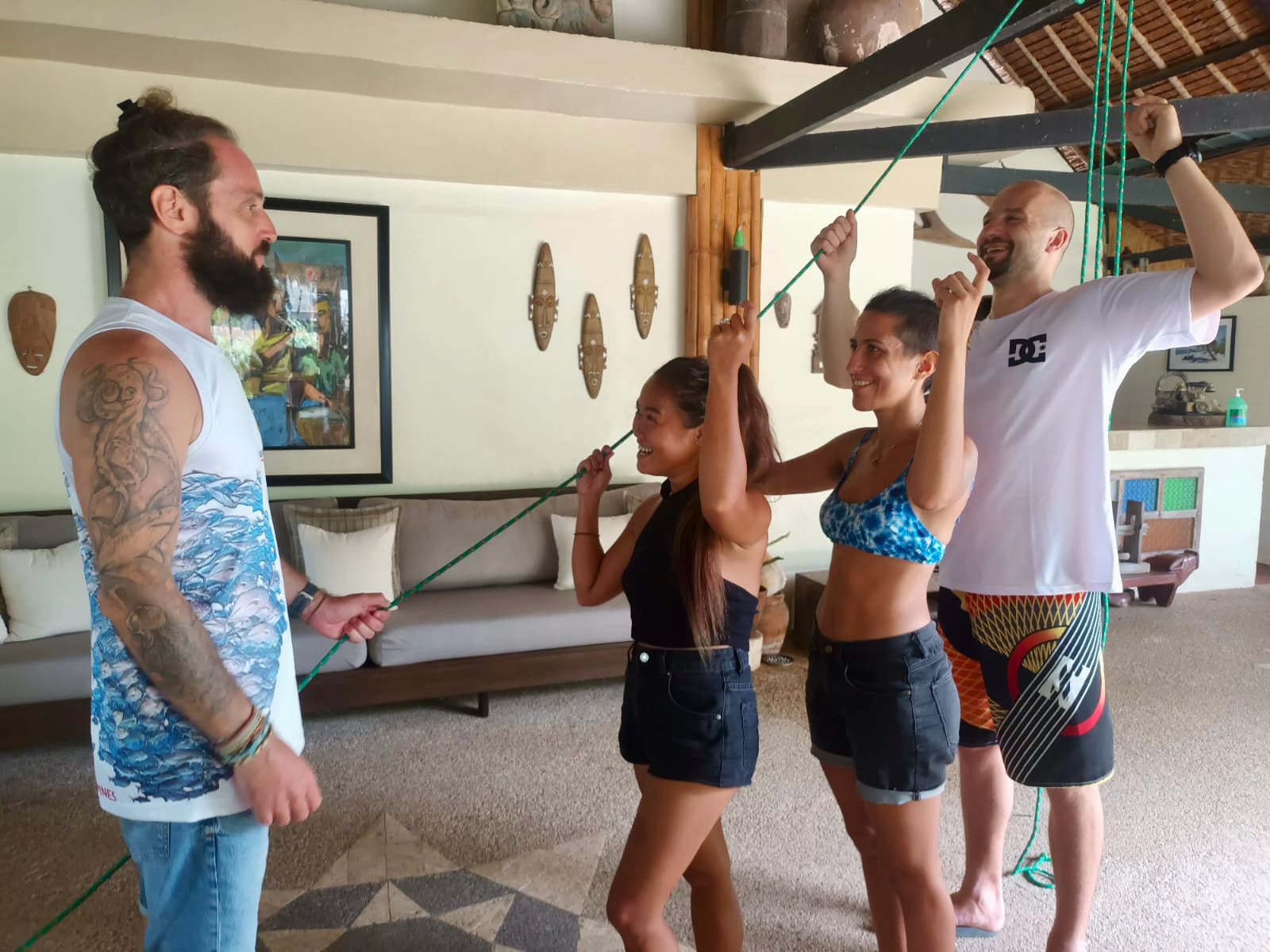
The course consists of a seminar of 4 workshops prior to the completion of an IDC. Afterwards the candidate must participate in the entire IDC.
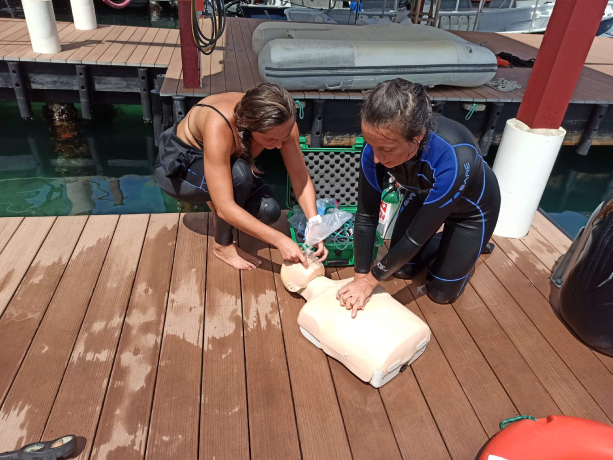
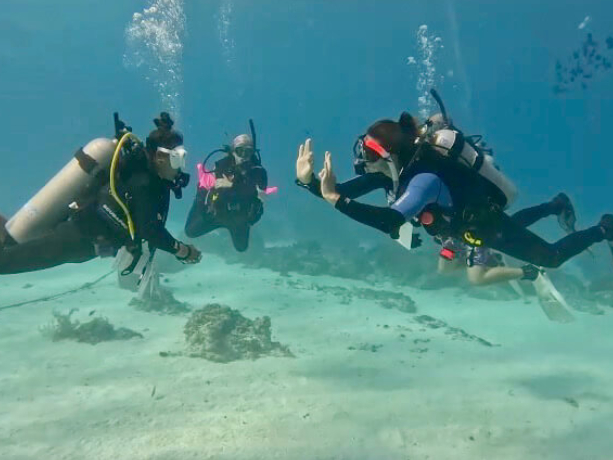
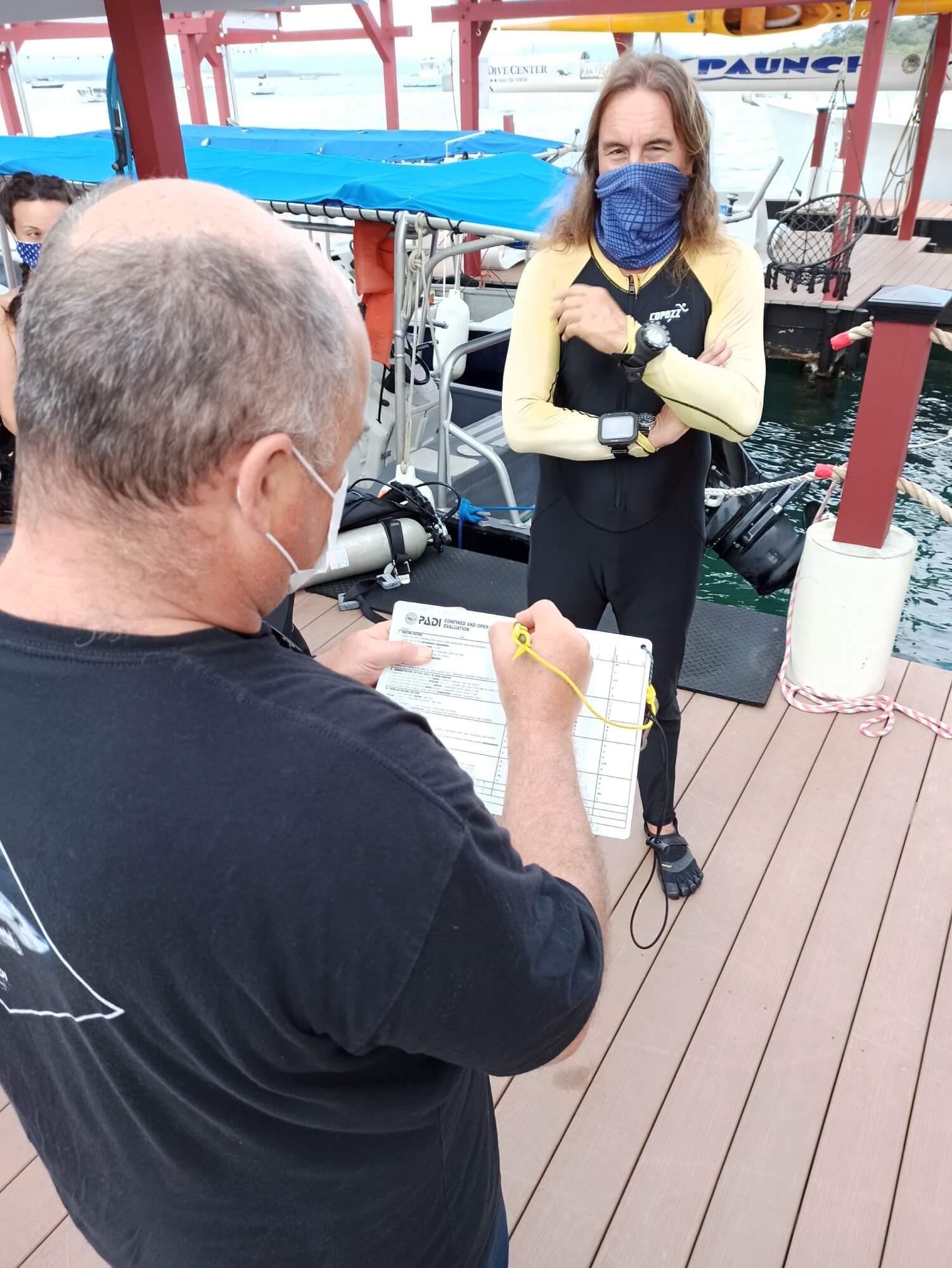
The candidate must complete the Theory Exam, the Standards Exam, a Knowledge Development Presentation, a Confined Water Presentation and an Open Water Presentation. In addition, the candidate must evaluate the presentations of the IDC candidates and attend all IDC workshops.
Prerequisites
Before you can start your IDC Staff Instructor training, you must be a teaching status PADI MSDT and EFR Instructor.
What if you do not meet any of the requirements?
Just contact us and we will be happy to discuss what you need to do to be part of the IDCS programme.
Duration & Dates
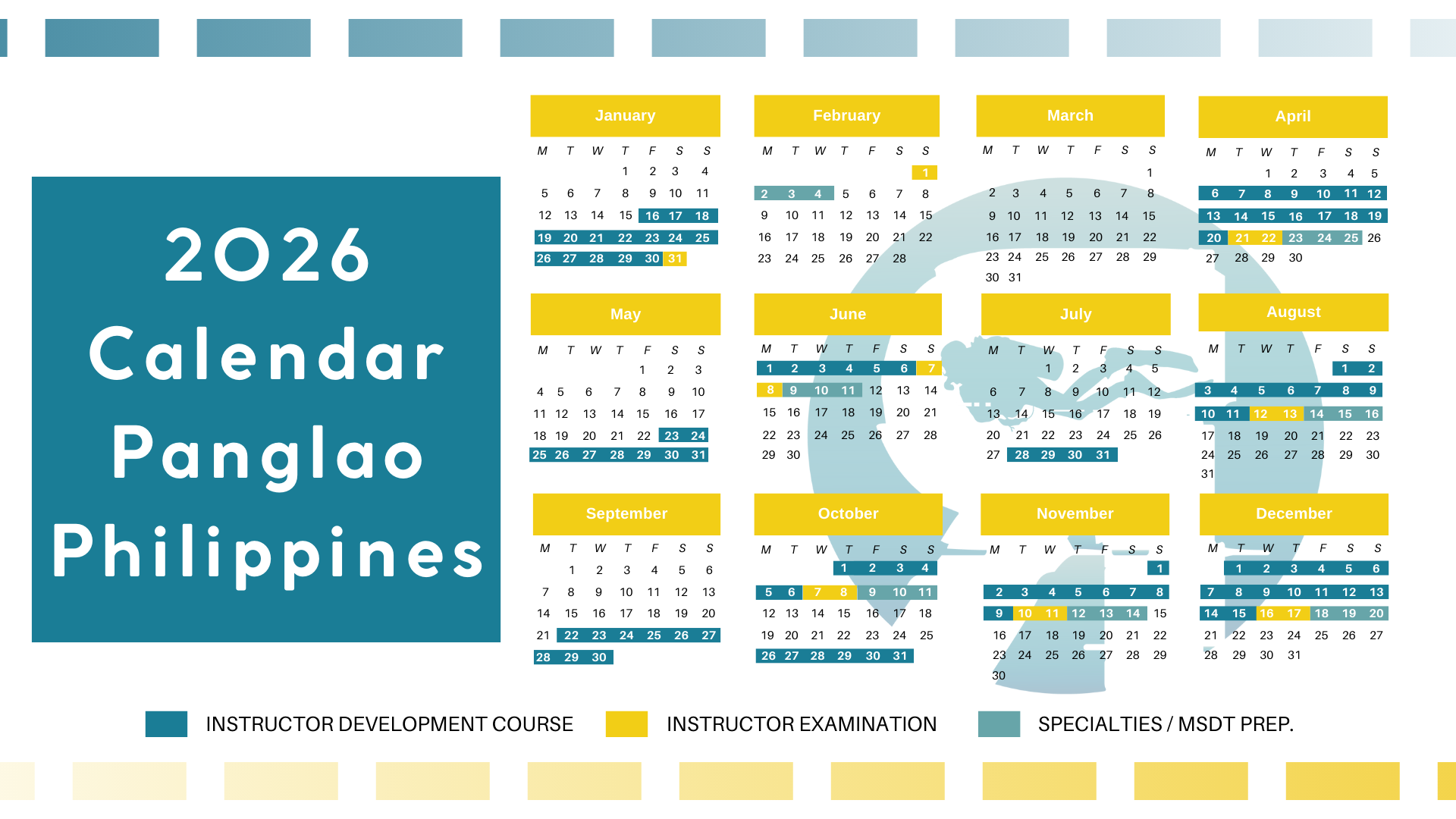
You must arrive at least 4 days before the start of an IDC and you must attend the entire IDC. You are not required to be present during the IE but it would be nice if you could stay.
Equipment
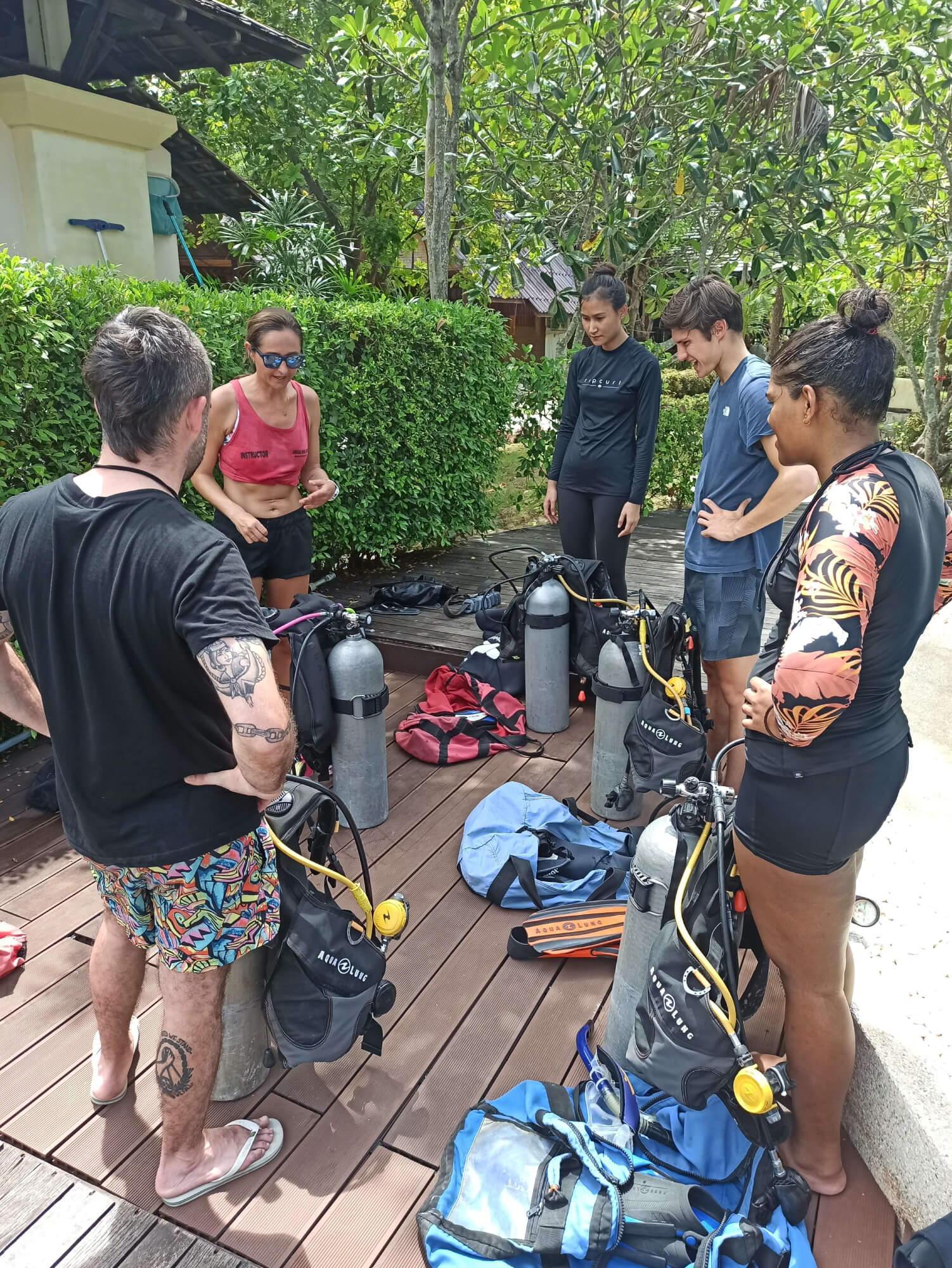
As diving professionals, Divemaster candidates are expected to have their own full set of dive equipment. However, equipment rental is available at an extra charge, but some parts of the scuba equipment are not available for rent. You will need:
- Dive Computer
- Compass
- Dive Knife
- Surface Marker Buoy
If you don’t own some of these items, we can help you get them at discounted prices in the retail dive shops around.
Who will teach you?
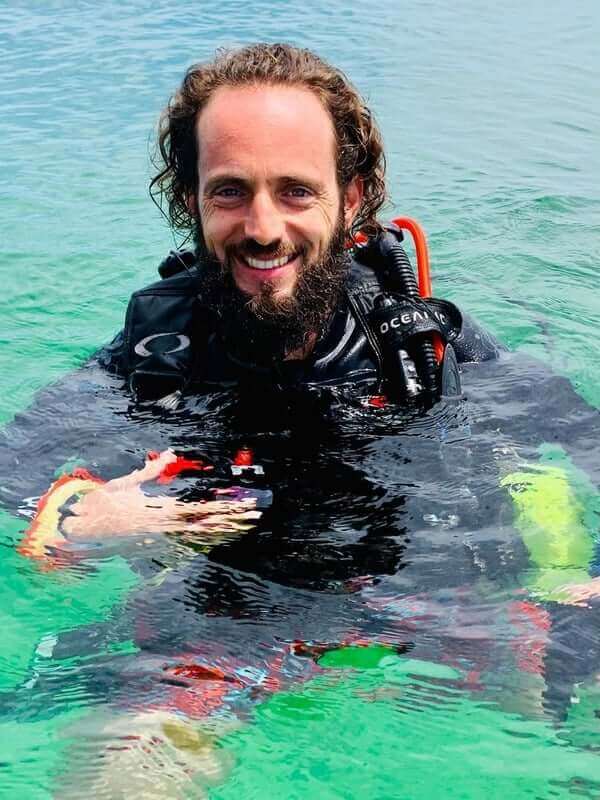
The professional courses are mainly conducted by Mr. Momo, our in-house Course Director who has more than 12 years of professional experience in different parts of the world. Besides, you will assist and learn from all of our team.
Our instructors are multilingual from different nationalities and with tons of experience, so it will be a very enriching and pleasant experience.
If you would like more information or have any questions about this course, please contact us and we will be happy to help
FAQs
What requirements do I need to meet to enroll in a professional diving course?
To enroll in a PADI Divemaster Course there are several key requirements:
- Age: You must be at least 18 years old.
- Certification Level: You need to hold certifications in Open Water, Advanced Open Water, and Rescue Diver (or equivalent from another agency).
- Experience: A minimum of at least 40 logged dives is required to begin Divemaster training, and 60 logged dives to complete it.
- First Aid and CPR: You must have completed a first aid and CPR course within the past 24 months, such as the Emergency First Response (EFR) course.
- Medical Clearance: A medical certificate signed by a physician within the last 12 months stating that you are fit for diving.
- Motivation and Commitment: A passion for diving and the willingness to commit to the training and responsibilities involved in becoming a dive professional.
To enroll in a PADI Instructor Development Course (IDC) there are several key requirements:
- Age: You must be at least 18 years old.
- Certification Level: You need to hold certifications in Open Water, Advanced Open Water, Rescue Diver and Divemaster (or equivalent from another agency).
- Experience: You need at least 100 logged dives by the end of the course, at least 80 to start it.
- First Aid and CPR: You must have completed a first aid and CPR course within the past 24 months, such as the Emergency First Response (EFR) course.
- Medical Clearance: A medical certificate signed by a physician within the last 12 months stating that you are fit for diving.
- Motivation and Commitment: A passion for diving and the willingness to commit to the training and responsibilities involved in becoming a dive instructor.
How long does the Divemaster course take?
The minimum required by the standards is 2 weeks. However, we believe that a longer time is recommended and required to ensure good professional development.
We offer the course in 2 months and we can discuss other options if you prefer to do it in a shorter time.
How long does the IDC (Instructor Development Course) take?
We organize the IDC in 2 weeks, 2 additional days are required for the IE, and you need to keep in mind that you will need time to complete the e-learning portion of the course before you start here.
What certifications do I receive upon completion of the course?
Upon completion of the Divemaster program, you will be certified as a PADI Divemaster.
After completing the IDC and passing the IE, you are certified as a PADI Open Water Scuba Instructor (OWSI).
Upon completion of any Specialty Instructor rating, you will be certified as a Specialty Instructor.
Are there job opportunities after I complete the course?
Of course, there are many opportunities for all PADI Professionals. We cannot guarantee you a job because there are many factors involved. But we can certainly help you find a job in the dive industry.
What is the difference between a Divemaster and an Instructor?
The main difference between a Divemaster and an Instructor lies in their roles and responsibilities within the diving world:
- Divemaster: A Divemaster is a recreational diving professional who assists instructors and guides certified divers. Their primary role is to supervise diving activities, ensure safety and assist divers with logistics and dive planning. They may also assist Instructors in their courses, but are not qualified to teach certification courses or lead Discover Scuba Diving experiences.
- Instructor: In addition to guiding and supervising dives, Instructors are fully qualified to teach and certify students at various levels, from Open Water to Divemaster.
How many dives do I need to log before I can begin my Divemaster training?
You need at least 40 logged dives to start your Divemaster training.
What languages are the courses conducted in?
Courses are primarily taught in English.
However, for the IDC, written exams are available in 18 different languages, allowing candidates to choose the language they are most comfortable with.
The Divemaster course and candidate presentations during the IDC can also be conducted in Spanish. If you require a different language, we can often arrange this on request, so please contact us for more information.
What are the job opportunities for Instructors?
As a PADI Instructor, you have a wide range of job opportunities in the diving industry, including:
- Dive Instructor at Dive Centers and Resorts: Teaching various PADI courses, from introductory dives to advanced certifications, and leading guided dives for hotel guests, enhancing their overall experience.
- Liveaboard Dive Instructor: Leading diving expeditions on liveaboard boats, providing instruction and support to guests over multi-day trips.
- Marine Conservation Educator: Combining diving instruction with environmental education, working with organizations to promote marine conservation and awareness.
- Freelance Diving Instructor: Offering your services on a contract basis at various locations, providing flexibility and the opportunity to work in different environments.
- Underwater Photographer/Videographer: Teaching courses that focus on underwater photography and videography, helping divers capture their experiences.
- Retail Management: Overseeing dive shops, managing sales, and providing customer service based on your diving expertise.
What happens if I don't meet all the requirements for the course?
If you don’t meet all the prerequisites for the course, don’t worry! We will create a customized plan to help you meet the necessary prerequisites so you can start your training with confidence.
What happens if I don't pass the IE?
We include the IE Pass Guarantee, which means that in the unlikely event that you don’t pass the exam, you will receive all the training you need at no additional cost. You can then register for another IE.
What study materials are required for the courses?
We will provide you with all required and recommended materials.
How many students are in each class?
We believe in keeping classes small to ensure personalized attention. Our groups are no larger than 6 candidates per class.
Do I need any personal equipment to take the courses?
Yes, you will need a complete set of equipment as described in the Instructor Manual (General Standards and Procedures, Equipment, Standard Instructor and Certified Assistant Equipment).
If you don’t have all the equipment, contact us to discuss rental and/or purchase options.
Will you help me find a job after I graduate?
Yes, we include specific job search workshops in our programs and we will coach you through the process.
Is accommodation provided during the course?
Accommodation is not included in our packages, but we can help you find it.
Is there any mentoring after the course?
Yes, at Pro Diving R-Evolution, the mentorship doesn’t end when the course is completed.
Our commitment to our students extends beyond training — we’re here to guide and assist you as you navigate your journey as a dive professional, ensuring you always have the resources and guidance to succeed.
Can I do the Divemaster/IDC if I am not certified by PADI?
Yes, you can do the Divemaster or IDC even if you’re not certified by PADI. If your certifications are from an organization that is a member of the RSTC (Recreational Scuba Training Council) or WRSTC (World Recreational Scuba Training Council), there is no issue, and you can proceed with the course.
However, if your certification is from a non-member agency, it’s best to contact us to check if it’s acceptable or if you may need to complete additional requirements before starting the course.
Can I work while I am training?
Yes, if you have a remote job, you may be able to combine it with the Divemaster course, although we still recommend that you give your full attention to the training for the best results.
However, it is not possible to work during the IDC as it is an intensive course that requires full time focus and commitment, leaving almost no room for outside work.
What types of internships or practical experience are available during the course?
We believe in strong principles and fair compensation for all dive professionals.
We do not offer work-for-training internships because we are committed to creating a healthier and more equitable dive industry where everyone is fairly compensated for their work and contributions. This approach ensures quality education and professional integrity.
Like an internship, our Divemaster program is designed to be an immersive experience, allowing candidates to work directly with clients and our experienced team, learning from real-world situations.
After the IDC, our MSDT Internship supports new instructors as they conduct their first certifications under the guidance of experienced professionals, fostering the confidence and skills essential for a successful career in diving.
Is DM experience required for the IDC?
No, Divemaster experience is not a requirement for the IDC. While assisting on courses can greatly enhance your development as an Instructor, it is not required.
Experience solely as a guide can certainly improve general diving skills, but it does not specifically contribute to the essential growth needed to become an Instructor.
What are the job opportunities for DMs?
As a PADI Divemaster, there are several areas in which you can work within the dive industry, including:
- Dive Guide: Leading groups of divers on excursions, ensuring safety and enjoyment while exploring the underwater world.
- Course Assistant: Assisting instructors in teaching diving courses, allowing you to gain valuable experience and develop your teaching skills.
- Conservation Projects: Work on marine conservation initiatives, participating in research and education programs focused on protecting marine life.
- Photography and Videography: Specialize in capturing underwater images and video, creating visual content to document dive experiences or promote dive destinations.
- Dive Center or Resort Manager: Take on management roles in dive centers or resorts, overseeing operations and ensuring quality of service.
- Liveaboard Cruise Director: Manage dive expeditions on liveaboard boats, coordinating activities and ensuring a smooth guest experience.
- Retail Sales: Working in dive shops, selling equipment and advising divers on products and services.